

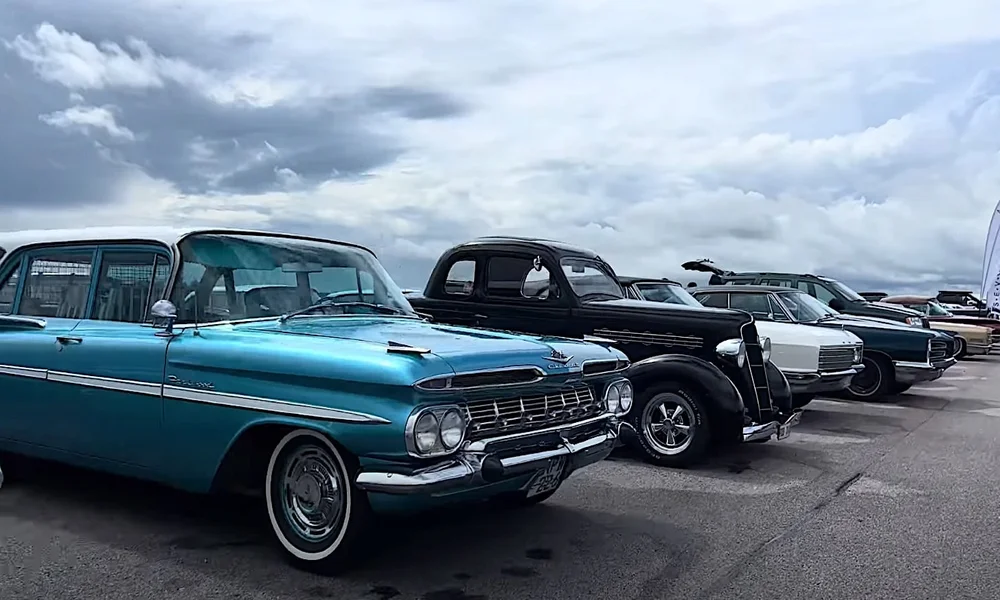
American muscle cars have had a powerful influence on car culture for decades. Known for their strong engines, bold styling, and exciting performance, these cars became symbols of speed and freedom. Although the original muscle car era has long passed, its influence can still be seen in modern performance cars and among car enthusiasts around the world.
The cultural significance of American muscle cars extends beyond their engines and performance figures. Their distinctive styling, powerful road presence, and association with freedom and individuality helped shape how generations of enthusiasts viewed performance vehicles. From local car shows to motorsport and popular culture, these cars created a lasting community around automotive enthusiasm that continues to influence drivers and collectors today.
The Beginning of an American Icon
The foundation of the muscle car was created during the 1950s, when American car makers began combining large engines with cars designed for everyday use. This created vehicles that could offer impressive performance without being completely focused on racing.
By the 1960s, the muscle car had become a major part of American car culture. These cars usually used powerful V8 engines, rear-wheel drive, and performance improvements such as stronger suspension, better brakes, and wider tyres.
The Rise of Performance Competition
As muscle cars became more popular, competition between car makers increased. Companies began developing larger engines and improving horsepower to attract buyers who wanted faster and more exciting vehicles.
This period created a strong connection between muscle cars and performance culture. Drag racing, motorsport, advertising, and car shows helped increase public interest. Muscle cars were no longer simply transportation.
A Difficult Period
The popularity of muscle cars faced major challenges during the 1970s. Higher insurance costs, stricter pollution rules, and changing market conditions made powerful cars more difficult to produce and own.
Engine performance declined, and many well-known performance models were discontinued. However, this did not completely end the muscle car story. Instead, it created a period of change that eventually led to new developments in performance technology.
The Return of Performance
During the 1980s, improvements in engine technology helped performance cars make a strong return. Better fuel systems, electronic ignition, and other engineering developments allowed manufacturers to produce more power while meeting stricter environmental requirements.
This showed that the idea behind the muscle car could survive even when technology and regulations changed. The focus slowly moved from simply using larger engines to finding smarter ways to produce power and improve driving performance.
Influence on Modern Cars
The influence of classic American muscle cars can still be seen today. Modern performance vehicles offer much more advanced technology, including improved braking systems, electronic safety features, better suspension, and computer-controlled systems.
A Lasting Cultural Impact
The influence of American muscle cars goes beyond engines and performance. They have become an important part of automotive history and popular culture. Their distinctive designs, powerful sounds, and connection to freedom have created lasting memories for generations of enthusiasts.
Why Their Influence Continues
American muscle cars changed the way people viewed performance vehicles. They proved that a car could be exciting, powerful, stylish, and suitable for everyday driving.
Their technology has evolved, but their basic spirit remains. The desire for power, freedom, individuality, and driving excitement continues to influence the way performance cars are designed today. That is why the legacy of American muscle cars remains strong, even decades after their golden era.
