

Introduction
Fuel injection systems play a crucial role in how a vehicle’s engine performs by delivering the right amount of fuel at the correct time. When properly maintained, they ensure smooth operation, good fuel efficiency, and reliable power. However, neglecting maintenance or operating with faults can lead to serious consequences. Understanding the long term damage caused by faulty injection systems highlights how issues such as poor combustion, carbon buildup, increased engine wear, reduced fuel efficiency, and even complete engine failure can develop over time if problems are not addressed early.
Understanding the Fuel Injection System
The fuel injection system controls how fuel is sprayed into the engine’s combustion chamber. It ensures that fuel mixes properly with air to create the energy needed to run the vehicle. This process must be accurate for the engine to perform well. Even small issues in the system can disturb this balance and cause noticeable problems.
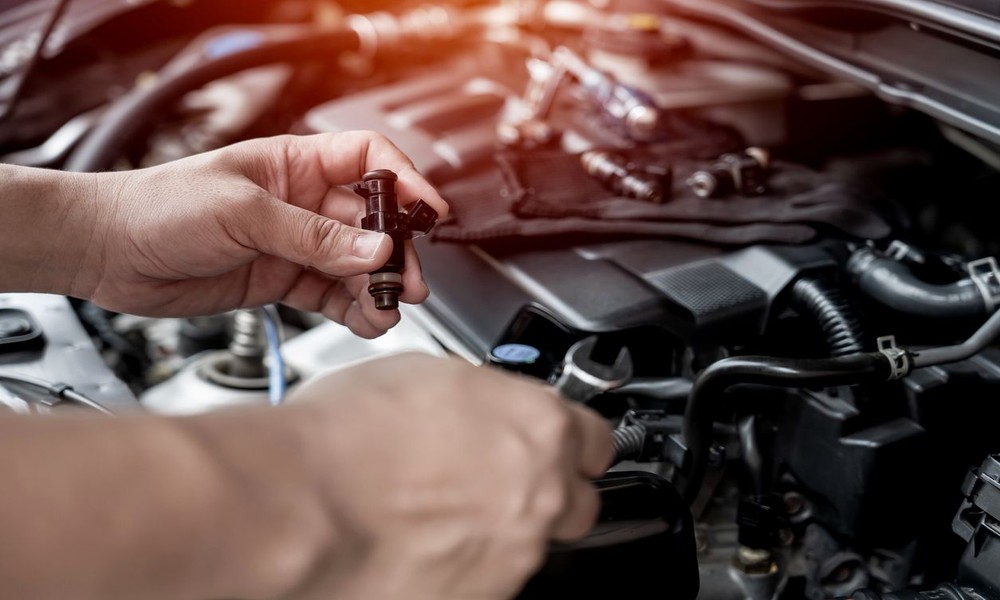
Over time, dirt, carbon deposits, and impurities can build up inside the fuel injectors. If they are not cleaned or maintained properly, these deposits can block the flow of fuel.
Reduced Engine Efficiency
One of the first signs of poor fuel injection maintenance is reduced engine efficiency. When the injectors are clogged or not operating properly, the engine may not receive the correct amount of fuel. This can cause incomplete combustion, meaning the engine does not produce enough power.
As a result, the vehicle may feel slower, especially during acceleration. Drivers may also notice that the engine struggles to perform under load. Over time, this reduced efficiency can make driving less smooth and less enjoyable.
Increased Fuel Consumption
Another major impact is higher fuel consumption. When the fuel injection system is not working correctly, the engine may use more fuel than necessary. This happens because the system tries to compensate for the absence of proper fuel delivery.
Rather than using fuel efficiently, the engine tends to waste it. This increases fuel costs and also affects the vehicle’s overall performance. Regular maintenance helps ensure that fuel is used as efficiently as possible.
Engine Misfires and Rough Idling
Poor fuel injection maintenance can also lead to engine misfires. This occurs when the fuel does not ignite properly in the engine. Misfires can cause jerking movements and make the engine run unevenly.
In addition, the engine may start to idle roughly. Instead of running smoothly when the vehicle is stationary, it may shake or vibrate. These issues can become more serious if they are ignored for a long time.
Long-Term Damage to the Engine
If fuel injectors are not maintained, the problems can go beyond performance issues. Over time, poor fuel delivery can put extra stress on engine components. This can lead to wear and tear, reducing the engine’s overall lifespan.
Conclusion
Poor fuel injection maintenance can significantly affect engine performance. It can reduce efficiency, increase fuel consumption, and cause engine problems like misfires and rough idling. Regular cleaning and proper care of the fuel injection system are essential to keep the engine running smoothly.
