

Introduction
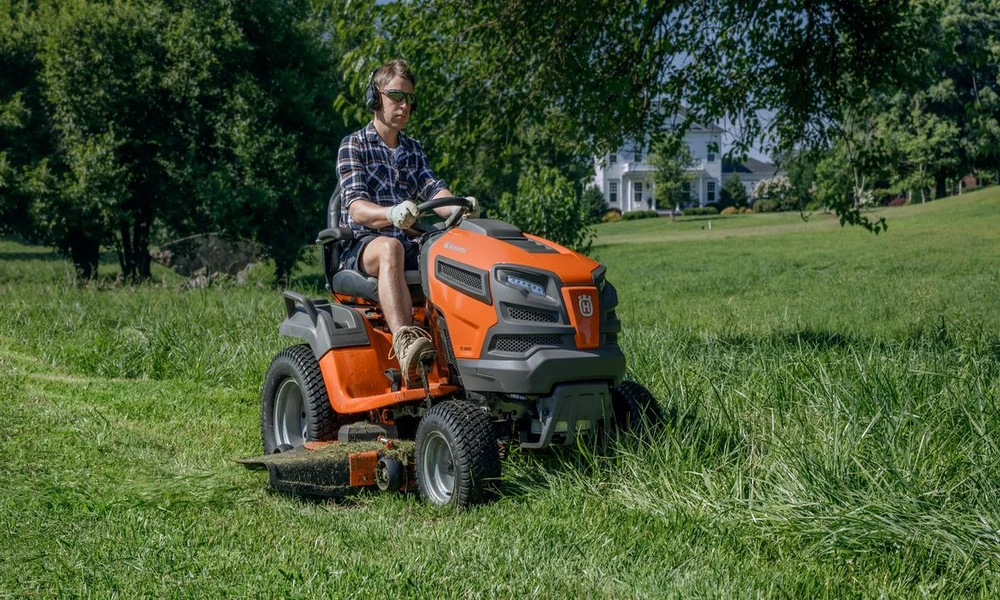
Choosing between a zero-turn mower and a tractor riding mower can be difficult when both options appear suitable for maintaining a large lawn. Each type has different strengths, and the right choice depends on the size of the property, terrain, mowing habits, and other needs. Comparing a few practical factors can help homeowners make a more informed decision.
When deciding between the two mower types, it can also help to make a direct Turn Vs Tractor Riding Mowers Guide comparison based on how each machine fits your property and routine. Consider factors such as manoeuvrability, operating comfort, cutting efficiency, attachment options, and maintenance requirements rather than focusing on one feature alone. This broader comparison can make it easier to identify which mower offers the right balance of performance, convenience, and long-term value for your specific lawn.
Consider the Size of Your Lawn
Start by looking at the total area that needs to be mowed. Zero-turn mowers are often useful for large, open lawns because they can move quickly and turn efficiently. Tractor riding mowers can also handle large areas but may be better suited to properties where mowing speed is less important. Consider how frequently the lawn needs to be maintained before choosing.
Look at Obstacles
Trees, flower beds, fences, garden borders, and other obstacles can affect mowing time. Zero-turn mowers are designed with excellent manoeuvrability and can make tight turns around many obstacles. Tractor riding mowers use traditional steering and generally require more space to turn. If the lawn has many objects that need to be navigated around, turning ability should be an important part of the comparison.
Evaluate the Terrain
The condition of the property should also influence your decision. Check whether the lawn contains slopes, uneven areas, soft ground, or narrow sections. Different mower designs may perform differently depending on the terrain. A mower should provide stable and controlled operation for the conditions where it will be used. Always consider safe operation when evaluating slopes and difficult surfaces.
Compare Comfort and Controls
Mowing can take considerable time, so comfort should not be overlooked. Tractor riding mowers generally use a steering wheel and familiar foot controls, which can be easier for beginners. Zero-turn mowers use separate control levers and may require some practice. Compare the seat, operating position, controls, and overall comfort before making a choice.
Check Cutting Performance
Look at the mower’s cutting width, cutting height options, and ability to handle the type of grass on your property. A wider cutting deck may reduce the number of passes needed on a large lawn. However, a smaller deck may be easier to use in narrow or complicated spaces. Choose
cutting features based on the actual conditions of the lawn.
Compare Versatility
Think about whether the mower will only be used for cutting grass. Tractor riding mowers can often support additional attachments for certain lawn-care or property maintenance tasks. Zero-turn mowers are mainly designed for fast and precise mowing. If you need equipment for several different tasks, versatility may influence your final decision.
Consider Total Ownership Costs
Do not compare only the purchase price. Consider fuel use, maintenance, replacement parts, storage, and expected service life. A mower with a higher initial cost may be worthwhile if it saves time and performs well for your property.
Conclusion
Comparing zero-turn and tractor riding mowers requires more than looking at their appearance or price. Consider lawn size, obstacles, terrain, comfort, cutting performance, versatility, and long-term costs.
