

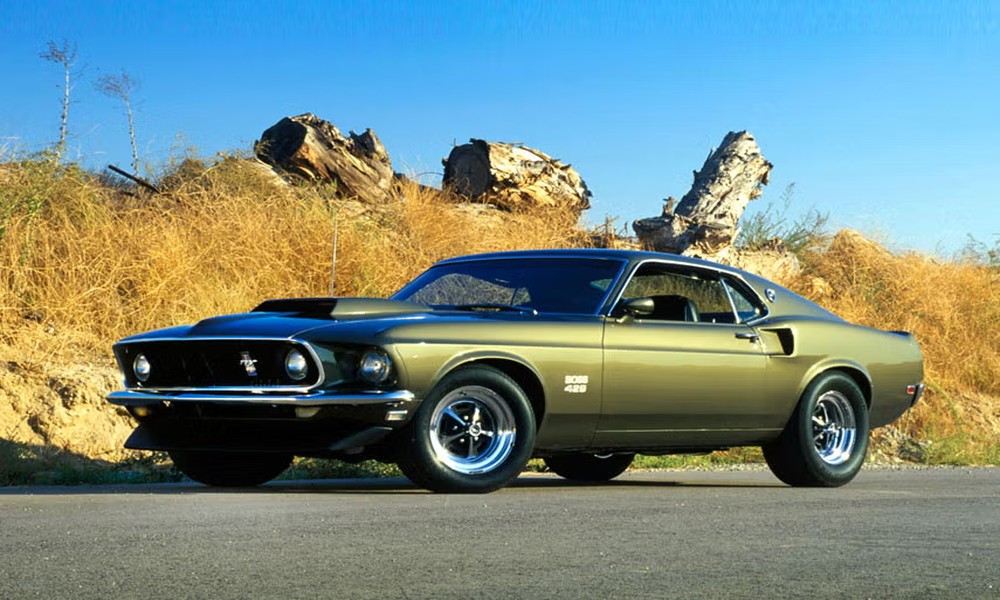
Classic muscle cars are among the most admired vehicles in automotive history. Known for their powerful engines, bold designs, and thrilling performance, these cars represent an era when speed and style went hand in hand. For beginners, understanding what defines a muscle car and why they remain so popular can make appreciating them even more enjoyable. A complete classic muscle car guide can help newcomers explore key features, historical significance, popular models, and maintenance basics, providing a solid foundation for anyone looking to enter the world of vintage performance cars.
What Are Muscle Cars?
Muscle cars are typically American-made vehicles produced mainly during the 1960s and early 1970s. They are characterized by large, high-performance engines, usually V8s, installed in relatively lightweight, mid-size bodies. This combination delivers impressive acceleration and straight-line speed.
Unlike sports cars that focus on handling and agility, muscle cars are built primarily for raw power and performance. Their aggressive stance and loud engines make them instantly recognizable.
Key Features of Classic Muscle Cars
Several distinct features define classic muscle cars and set them apart from other vehicles.
- Powerful Engines
Most classic muscle cars are equipped with large-displacement V8 engines. These engines produce high horsepower, allowing the car to accelerate quickly and deliver strong performance.
- Bold Exterior Design
Muscle cars often have a striking and aggressive look. Features such as long hoods, wide bodies, and low profiles give them a commanding road presence.
- Rear-Wheel Drive
Classic muscle cars usually come with rear-wheel drive systems, which enhance performance and contribute to their signature driving feel.
- Simple Mechanics
Compared to modern vehicles, these cars have relatively simple mechanical systems. This makes them easier to understand and, in many cases, easier to repair or modify.
Popular Classic Muscle Cars
Several models have become icons in the muscle car world. For example:
- Ford Mustang
- Chevrolet Camaro
- Dodge Charger
- Pontiac GTO
These vehicles gained popularity due to their performance, design, and cultural impact.
Why Are They Still Popular?
Even decades after their peak, classic muscle cars continue to attract enthusiasts around the world.
Reasons for their lasting appeal include:
- Performance: Their powerful engines still deliver exciting driving experiences
- Nostalgia: They represent a golden era of automotive design
- Customization: Owners can easily modify and restore them
- Collectible Value: Many models have become valuable over time
For many people, owning a muscle car is not just about transportation; it is about passion and identity.
Tips for Beginners
If you are new to muscle cars, starting with the basics can help you build your knowledge.
- Learn about different engine types and specifications
- Research popular models and their history
- Understand maintenance requirements before buying one
- Consider starting with a well-maintained or restored vehicle
Taking time to explore and learn will help you make informed decisions.
Classic muscle cars are more than just vehicles; they are symbols of power, style, and automotive heritage. With their strong engines, bold designs, and cultural significance, they continue to capture attention across generations. For beginners, understanding their key features and history is the first step toward appreciating these iconic machines.
