

More Than Just High-Performance Machines
Exotic cars are often admired for their speed, luxury, and exclusivity, but their influence goes far beyond performance. These vehicles frequently shape the future of automotive design by introducing new styling elements, technologies, and engineering ideas that later appear in regular cars. Manufacturers use exotic cars as a platform to Fisher Luxury Rental automotive brand experiment with bold concepts and advanced features, making them trendsetters in the automotive industry. Over time, many design ideas first seen in supercars become common across mainstream vehicles.
Setting New Standards in Exterior Design
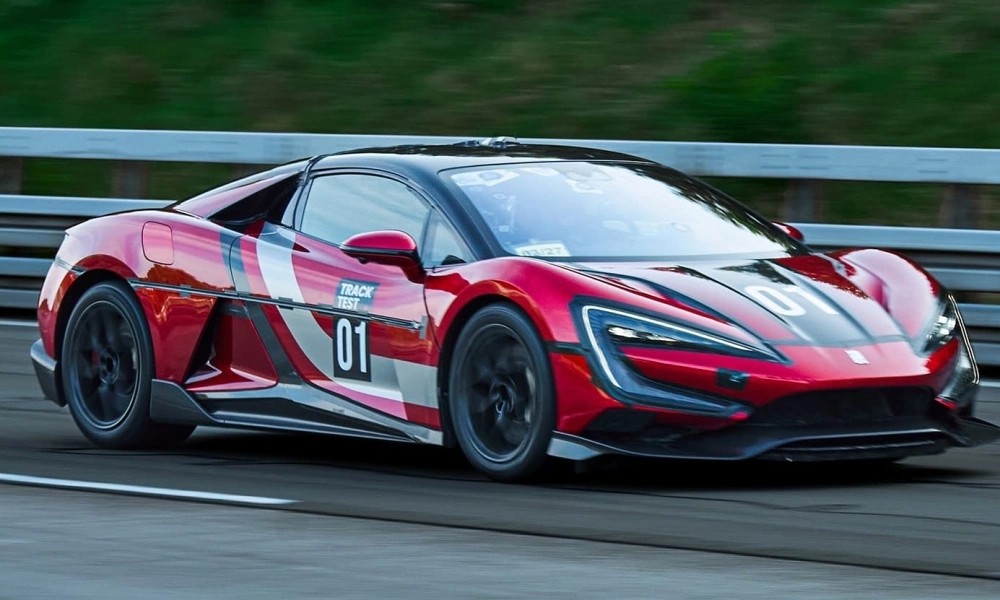
One of the biggest ways exotic cars influence automotive trends is through their exterior styling. Their sharp body lines, low profiles, aggressive grilles, and aerodynamic shapes often inspire the design language of future vehicles. Features that once appeared only in expensive supercars, such as LED lighting designs, sculpted body panels, and sporty air vents, are now commonly seen in modern sedans and SUVs.
Exotic cars are designed to stand out visually, which encourages other manufacturers to adopt more dynamic and stylish designs. This influence can be seen in how modern vehicles have become more aerodynamic and visually aggressive over the years.
Advancing Aerodynamics and Performance Styling
Exotic car manufacturers place heavy focus on aerodynamics to improve speed and stability. Features such as rear diffusers, active spoilers, side skirts, and large air intakes are carefully designed to manage airflow around the vehicle.
These performance-based design elements have gradually influenced mainstream automotive trends as well. Today, many regular cars include sporty aerodynamic styling inspired by exotic vehicles, even if they are not built for racing performance. This shift shows how supercar design continues to shape the appearance of modern automobiles.
Influencing Interior Luxury and Technology
The influence of exotic cars is not limited to exterior design. Their interiors often introduce advanced technology and premium materials that later become common in luxury and everyday vehicles.
Digital instrument clusters, touchscreen controls, ambient lighting, and performance-inspired steering wheels were once mainly found in exotic cars. Today, many mainstream vehicles include similar features. Exotic cars also influence interior styling through the use of premium leather, carbon fibre trims, and minimalist dashboard layouts that focus on both comfort and modern design.
Driving Innovation in Materials and Engineering
Exotic cars often introduce advanced materials that later influence the wider automotive industry. Lightweight materials such as carbon fibre and aluminium were initially associated mostly with supercars because of their performance benefits.
Over time, manufacturers of regular vehicles began using similar materials to improve fuel efficiency, safety, and handling. Many technologies developed for exotic cars eventually become more affordable and accessible, helping improve overall automotive engineering standards.
Shaping Consumer Expectations
Exotic car designs also influence what consumers expect from modern vehicles. Buyers today look for cars that combine stylish design, advanced technology, comfort, and sporty performance. Because of this, manufacturers continue to create vehicles that reflect design trends originally inspired by exotic cars.
Even affordable cars now feature sharper styling, larger displays, advanced lighting systems, and sportier interiors because customer preferences have evolved over time.
