

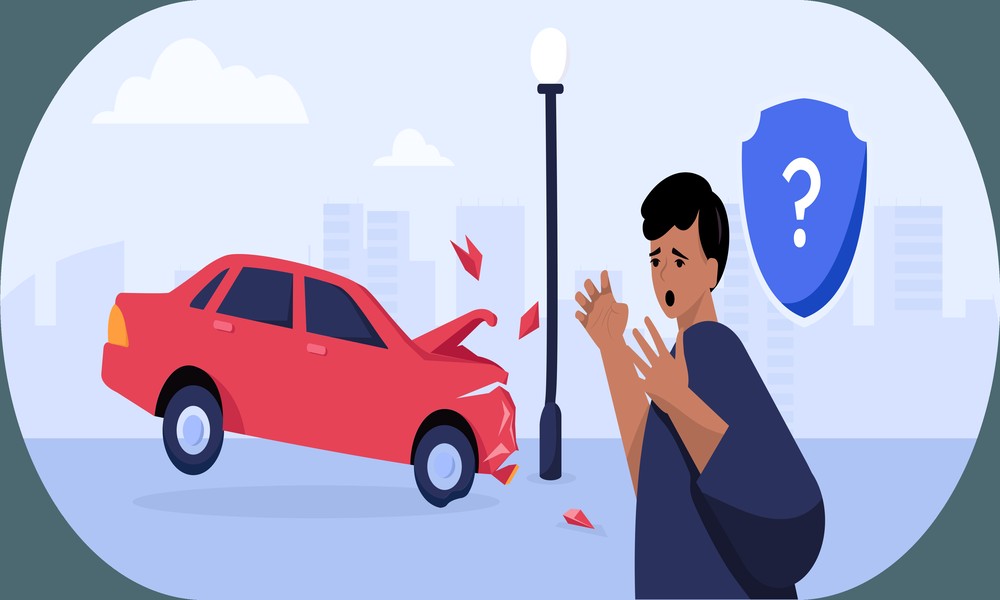
Car insurance is something most drivers know they need, yet many are unsure what their policy actually covers. This confusion often only becomes apparent when a claim is rejected or a payout is lower than expected. Understanding the basics of vehicle cover helps motorists make better decisions and avoid costly misunderstandings.
Below is a practical breakdown of what is typically included in vehicle insurance – and what usually isn’t.
The Main Types of Vehicle Cover
Most car insurance policies fall into three broad categories.
Third-party insurance covers damage you cause to other people’s vehicles or property. It does not cover damage to your own car.
Third-party, fire and theft insurance adds protection if your vehicle is stolen or damaged by fire, while still excluding accidental damage to your own car.
Comprehensive insurance offers the broadest protection, covering both third-party claims and damage to your own vehicle from accidents, theft, weather events, and vandalism.
Knowing which category your policy falls into is the first step in understanding your protection.
What Vehicle Insurance Usually Covers
Depending on the policy type, vehicle insurance typically includes:
- Damage to other vehicles or property caused by you
- Theft or hijacking of the insured vehicle
- Fire, storm, hail, or flood damage
- Accidental damage to your car (comprehensive only)
- Legal liability for third-party injury or property damage
Some comprehensive policies also include extras such as windscreen cover, towing after an accident, or temporary replacement vehicles, either as standard benefits or optional add-ons.
What’s Often Not Covered
Just as important as what is covered is what isn’t. Common exclusions include:
- Wear and tear or mechanical breakdown
- Damage caused while driving under the influence
- Use of the vehicle for purposes not disclosed, such as business use
- Unspecified accessories or modifications
- Damage resulting from illegal activities
These exclusions are usually outlined in the policy wording, but they are frequently overlooked.
Excesses and Limits Matter
Insurance is not unlimited. Policies include excess amounts – the portion you pay when claiming – and limits on how much the insurer will pay for certain losses.
Some claims attract multiple excesses, such as age-related or incident-specific excesses. Understanding these costs upfront prevents unpleasant surprises later.
Why Vehicle Value Is Important
Insuring your vehicle for an incorrect value is a common mistake. Under-insuring to reduce premiums can significantly reduce payouts if the car is written off or stolen.
Vehicle values should be reviewed regularly, especially as cars depreciate or market conditions change.
The Importance of Accurate Disclosure
Insurance is based on risk assessment. Details such as where the vehicle is parked, how it’s used, and who drives it regularly all affect cover validity.
Failing to disclose relevant information – even unintentionally – can result in rejected claims.
Why Understanding Cover Matters in South Africa
Driving conditions, crime risk, and weather patterns vary widely across South Africa. A policy that works well in one area may be inadequate in another.
This makes it essential for drivers to understand their cover in context, rather than assuming all vehicle insurance works the same way.
Final Thoughts
Vehicle insurance should never be a mystery. Knowing what your policy includes – and what it excludes – allows you to choose cover that genuinely protects you financially.
For drivers seeking clarity, having car insurance cover explained in plain language is the first step toward making confident, informed insurance decisions that hold up when it matters most.
